Companion Animal Laser Therapy
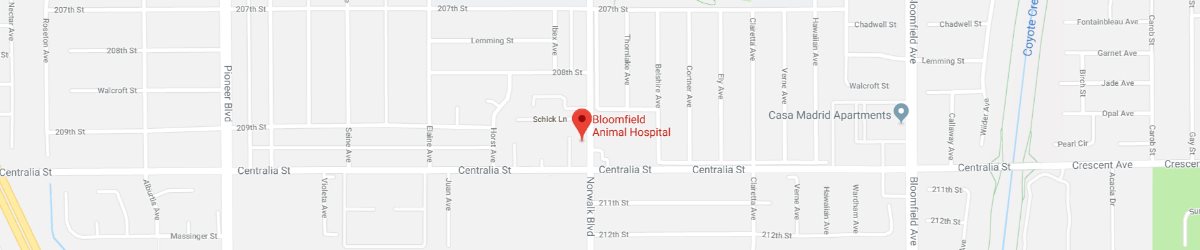
Laser therapy means drug-free, sterile, non-invasive, surgery-free relief for many companion animals. This gentle therapy can be used to promote healing of infections, dermatological (skin) issues, neurological problems, urinary tract infections, cuts, insect bites, tissue trauma, sprains, and fractures. It is beneficial in treatment of hip dysplasia, tendonitis, and osteoarthritis. Dr. Jose Arambulo sheds some light on the benefits of this treatment option, offered at Bloomfield Animal Hospital in Lakewood, CA.
A bit of background
The use of focused light in medicine dates back to the early 1960s. Since that time, laser therapies have become extremely safe and effective for treating inflammation and stimulating cellular renewal. The veterinarians at Bloomfield Animal Hospital use a type of equipment commonly called a "cold laser," because it does not generate heat at the surface and carries little risk of burns or other side effects.
What to expect
Protocols are customized to each patient and that animal's condition, so treatment times and frequency vary. Laser therapy can also be used to complement other medical treatments.
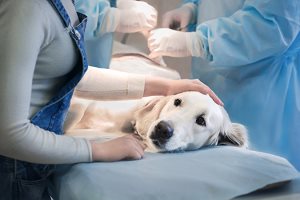
Basically, we make your pet comfortable in the treatment room. There is no need to clip the fur or sedate the animal. Your pet’s eyes are gently shielded with a towel, or directed away from the laser. Focused pulses of light energy are delivered through a hand piece, passed over the treatment area. Most pets are anxiety-free, and relax as they feel the soothing warmth.
The laser sends packets of light energy called photons into deep tissue layers. Photons are absorbed into the cells, inducing a chemical change that stimulates repair and rejuvenation. There is no damage at the surface, or to deeper layers of tissue. There are no known side effects of laser therapy.
When you return home, you may see some change in the animal’s behavior. If your pet was previously anxious (pacing, panting, licking) because of discomfort, he or she might relax due to relief in pain and reduced inflammation. Some animals feel so good that they become much more active. There is nothing special you need to do at home to support laser therapy. Just follow the doctor's instructions regarding dietary needs, medications, and physical restrictions if applicable.
Improvement at the speed of light!
Your pet will seem relaxed and comfortable. You may see signs of relief – increased mobility for joint conditions or injury, fast healing of wounds or incisions, or clearing of skin problems – after just one treatment. Severe conditions or complex wounds may require several treatment sessions.
Call Bloomfield Animal Hospital today at (562) 383-7788 to find out if laser therapy is right for your pet.
Bloomfield Animal Hospital is a trusted name in pets’ preventive, medical,
surgical, and
emergency care in Lakewood, CA. With a 30-year history as a family-owned pet clinic, it provides modern services in a warm, friendly environment. It’s one of the few veterinary hospitals to be
AAHA-accredited.
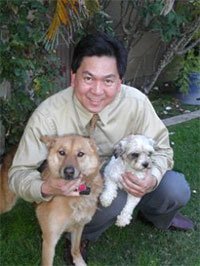
Dr. Jose Arambulo, owner and chief veterinarian, is experienced in treating eye, ear, and skin disorders and is especially interested in internal medicine, dentistry, and soft tissue surgery. He earned his BS in Medical Technology from the
University of Santo Tomas and his Doctor of Veterinary Medicine from the
University of the Philippines. He completed clinical evaluation for veterinary medicine at
Purdue University in Indiana and was a veterinarian at Banfield and California before acquiring Bloomfield Animal Hospital.
Dr. Arambulo is an active member of the
American Veterinary Medical Association,
Veterinary Information Network,
Southern California Veterinary Medical Association,
Southern California Filipino Veterinary Medical Association, and the
Lakewood Chamber of Commerce.
Our Traveling Surgeon,
Dr. Zachery Smith, is a Diplomate of the
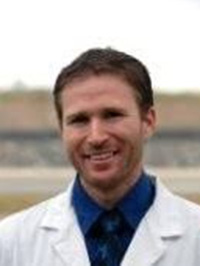
American College of Veterinary Surgeons. He specializes in complex orthopedic and soft tissue surgery. While training, he worked with some of the best orthopedic surgeons in the country. He has lectured both locally and internationally. Dr. Smith plays a leading role at Veterinary Orthopedics of California, which is dedicated to providing high-level surgical services to pets.
Our visiting physician,
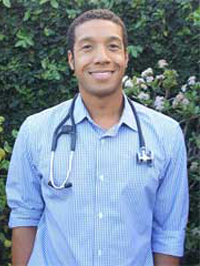
Dr. Fred Brewer, is a veterinary cardiologist board-certified by the
American College of Veterinary Internal Medicine. He completed his Bachelor of Science in Psychobiology at
UCLA and earned his veterinary degree from
Cornell University in 2009. Later, he completed a one-year general rotating internship at the California Animal Hospital Veterinary Specialty Group in West Los Angeles and a three-year cardiology residency at Cornell University.